Next stage
stage 1Is your English B2 or just confident B1?
This is the next useful signal to collect.
Start stageTest path / Find my level
Start broad, then pressure-test the exact skills that decide whether the profile is really B1, B2, or higher.
Why this path works
Most people do not fail English because of one huge weakness. They fail the jump to the next level because two or three tiny patterns keep showing up.
200
live prompts
30
question styles
75-128 min
full route

First visible win
The first result gives a usable CEFR estimate and immediately points to the skill most likely to move the level.
Start the first stage and this path will turn into a personalized program with current, repair, proof, and completed states.
0/6
stages
0%
mapped
0%
mastery
0
answers
Next stage
stage 1This is the next useful signal to collect.
Start stage01
currentBaseline
This is the next useful signal to collect.
02
lockedWord range
Finish the earlier stage first so the path has enough evidence.
03
lockedRule control
Finish the earlier stage first so the path has enough evidence.
04
lockedReading proof
Finish the earlier stage first so the path has enough evidence.
05
lockedListening proof
Finish the earlier stage first so the path has enough evidence.
06
lockedSpeaking proof
Finish the earlier stage first so the path has enough evidence.
Signal sequence
01
Baseline
Creates the first broad estimate and exposes the loudest limiter.
02
Word range
Separates passive word recognition from the vocabulary the learner can actually use in answers.
03
Rule control
Checks whether grammar mistakes are occasional or structural.
04
Reading proof
Shows whether written English is blocked by inference, tone, or vocabulary.
05
Listening proof
Finds speed, accent, detail, and implied-meaning problems.
06
Speaking proof
Adds active production so the level is not only recognition-based.
Test library inside this path
Estimate the user's real CEFR level and explain what is already working and what is holding them back.

Measures common words, academic words, business words, collocations, idioms, and false friends.

Finds recurring grammar weaknesses and explains each mistake clearly.

Tests main idea, detail scanning, inference, tone, reference words, paraphrase accuracy, and evidence judgment.
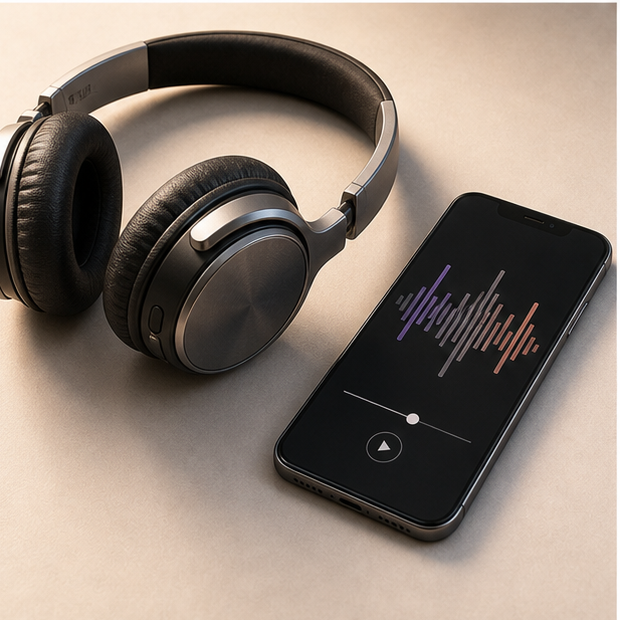
Tests main idea, details, implied meaning, attitude, emotion, and natural spoken expressions.

Evaluates readiness for travel, work calls, interviews, and casual conversation.